dig vs Talkwalker
Talkwalker listens to text and images. dig reads what happens inside the video.
Talkwalker monitors text, images, and mentions across the open web and social. dig analyzes what is said, shown, and felt inside video content on TikTok, Instagram Reels, and YouTube Shorts, with every insight traced back to the source clip.
| Capability |  |
Talkwalker |
|---|---|---|
| Deep video analysis (tone, scenes, logos, SKUs, spoken brand mentions & more) | ✓ | ~ |
| Creator & trend discovery | ✓ | ✕ |
| Audience segmentation from visuals (age, locale, tone) | ✓ | ✕ |
| In-platform AI chat (multi-step research & theme extraction) | ✓ | ✕ |
| Easy setup (no Boolean queries) | ✓ | ✕ |
| Fake engagement & bot detection | ✓ | ~ |
| Real-time viral alerts | ✓ | ~ |
| Mention & news tracking | ✓ | ✓ |





What makes dig different?
dig sees inside video, not just around it
Talkwalker built its name on text and image listening across the open web. That is useful, but it stops at the surface of a clip. dig is a social listening platform built video-first: it reads speech, on-screen text, scenes, tone, and sentiment frame by frame across TikTok, Instagram Reels, and YouTube Shorts, so you understand what a video actually says, not just that it was posted. See how in-video analysis works.

dig detects the narratives before they become headlines
Talkwalker is good at counting mentions and tracking themes across the open web. Narrative intelligence goes a step further and connects those scattered signals into a single story: which claim is spreading, which creators are carrying it, and how sentiment is turning. With dig, a wall of mentions becomes a timeline you can read, so you can shape a narrative while it is still forming instead of reporting on it afterward.

From alert to action
A spike in volume is not a plan. dig turns detection into a decision with the RESPOND model, monitor, counter, promote, or take down, and scores each narrative by likely impact so teams triage the ones that can actually escalate. Communications, risk, and legal stop drowning in dashboards and start acting on the few signals that matter. Explore dig Enterprise, the always-on layer of the wider dig.ai platform.
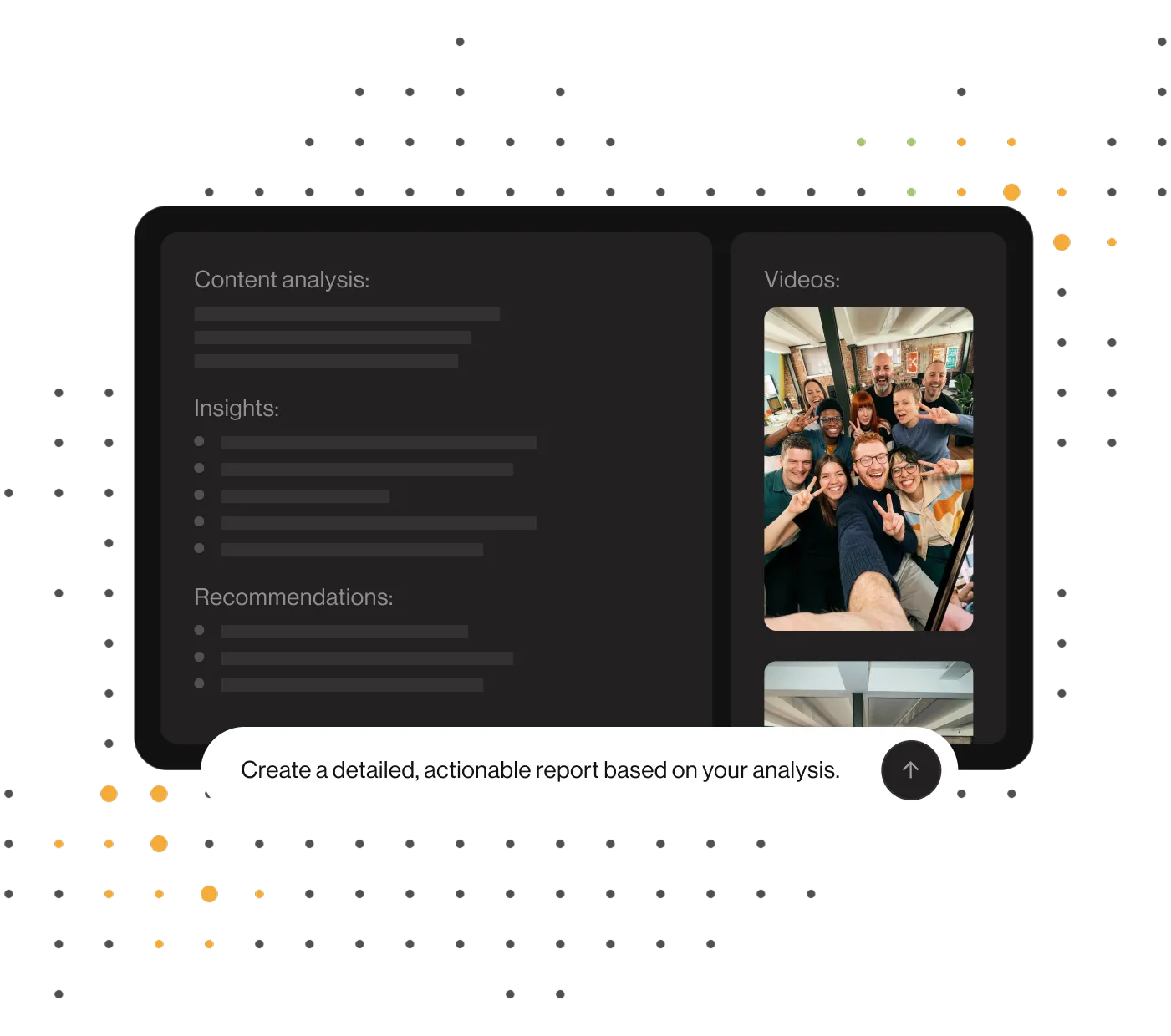
Most brand conversation now happens inside video
Talkwalker can recognize a logo in an image, but a video is more than a still frame. The meaning lives in what is said, how it is said, the scene, the reaction, and the on-screen text that never makes it into a caption. dig reads all of it across TikTok, Reels, and Shorts, so the clips shaping your brand perception stop being blind spots and become searchable, measurable signal.

What Talkwalker users say they're missing
Recurring themes in public reviews: limited coverage on key social platforms, Boolean-heavy setup, and weak data and sentiment.
Listening is very limited on Facebook and Instagram, and not very useful for analyzing how topics or brands are treated across the web.
Topic set-up is tricky. It needs Boolean knowledge to get right.
Data mining is very poor, and sentiment tagging is also very poor.
Complaints summarized from publicly posted Capterra reviews of Talkwalker, with each card linked to its source, as of July 2026. Individual experiences vary; verify current capabilities with Talkwalker directly.
dig vs Talkwalker at a glance
Talkwalker and dig operate at different layers. Talkwalker monitors text, images, and mentions across the web and social channels. dig analyzes what is said, shown, and felt inside video content. The table below shows where each tool has coverage, and where video intelligence opens up a layer Talkwalker cannot reach. For the full picture, see how dig compares across the category.
| Capability | |
Talkwalker |
|---|---|---|
| Deep video analysis (tone, scenes, logos, SKUs, spoken brand mentions) | ✓ | ~Transcript only |
| Narrative detection and tracking | ✓ | ✕ |
| Creator and trend discovery | ✓ | ✕ |
| Audience segmentation from visuals (age, locale, tone) | ✓ | ✕ |
| In-platform AI chat (multi-step research and theme extraction) | ✓ | ✕ |
| Easy setup, no Boolean queries | ✓ | ✕ |
| Spam and bot filtering | ✓ | ~Surface-level |
| Real-time viral detection | ✓ | ~Surface-level |
| Capability | |
Talkwalker |
|---|---|---|
| Text and post monitoring | ✓ | ✓ |
| Brand mention tracking | ✓ | ✓ |
| Mention and news tracking | ✓ | ✓ |
Feature information reflects publicly available data as of July 2026. Verify current capabilities with each platform directly before making a purchase decision.
See what Talkwalker can't show you
Book a demo and dig into what Talkwalker leaves unread inside video, or start exploring for free. No Boolean setup, insights in minutes.